



Downtown Dallas Inc. Field Operations on Salesforce
Longitudinal client tracking
replacing paper logs and verbal handoffs
Real-time field-to-Salesforce sync
eliminating dispatcher relay and manual entry
Evidence-based board reporting
built from structured field data, not recalled notes
Downtown Dallas Inc. (DDI) runs four specialized field teams across downtown Dallas, including a Homeless Outreach program built around a "relate and refer" philosophy. Before CUBE84, outreach interactions were logged on paper, communicated verbally, and reported anecdotally to leadership. The work being done was real. The data to back it up was not.
CUBE84 built and deployed a Field Service App (FSA) integrated directly into Salesforce. It transformed how outreach workers document client interactions, track encampments, follow longitudinal case journeys, and bring evidence to board meetings and city partners.
Downtown Dallas Inc. is a nonprofit responsible for the safety, cleanliness, and vitality of downtown Dallas. Their Homeless Outreach Team handles daily client engagements, service referrals, Homeward Bound reunifications, encampment documentation, and long-term case management. The work is relationship-based and coordination-heavy. They work closely with DPD, DART, and city social-service agencies, which means consistent, structured data is not just useful. It is essential.
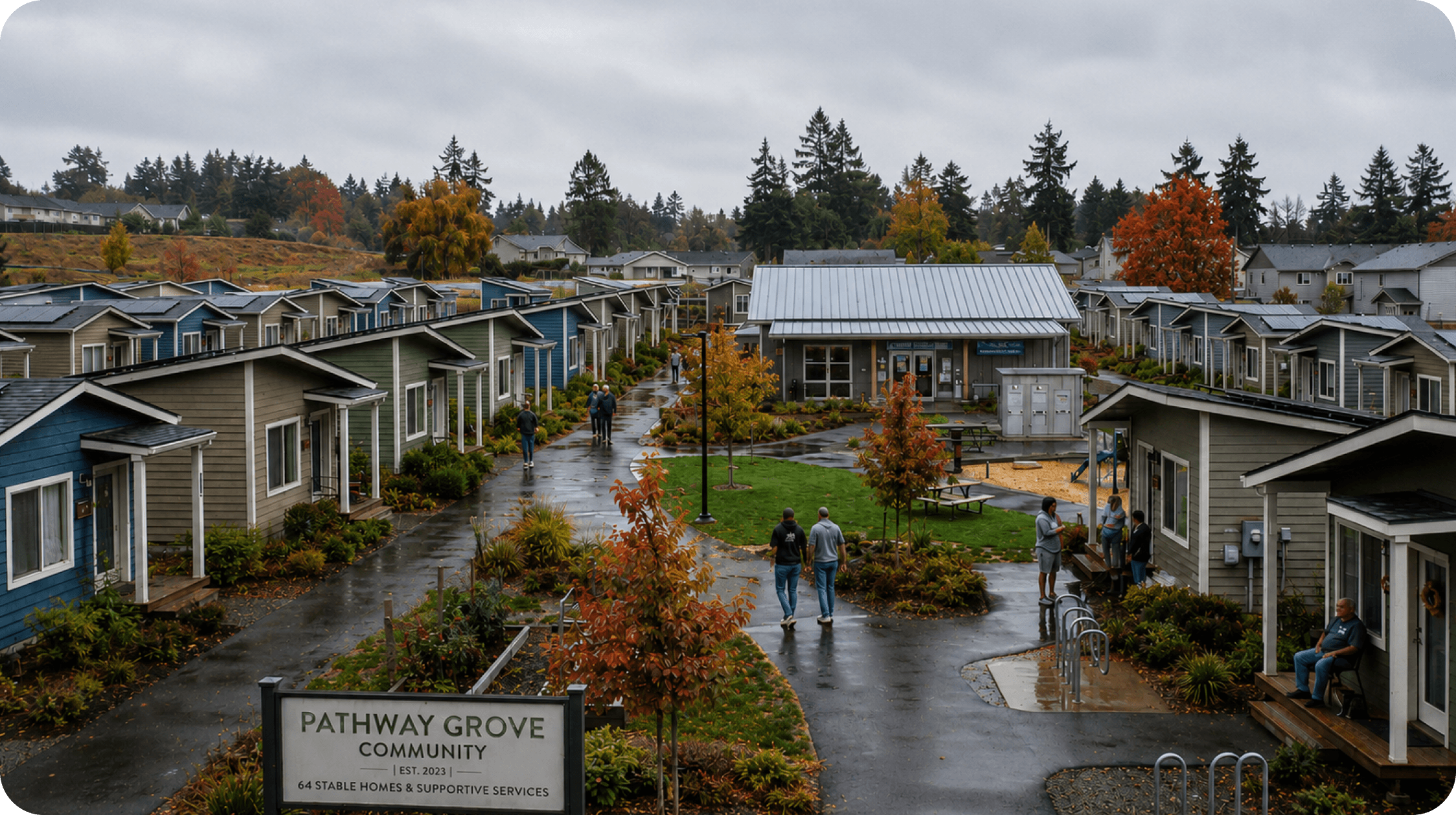
Engagement Model: Salesforce Platform Implementation and Field Service App
Primary Capabilities:Salesforce Service Cloud, Field Service App (FSA), Elerts Integration, Analytics Dashboards
CUBE84 built a purpose-built Field Service App on top of Salesforce, deployed across all four DDI field teams. The Homeless Outreach workflow was engineered to capture every client interaction with guided documentation and sync that data in real time to Salesforce dashboards used by leadership and partner agencies.
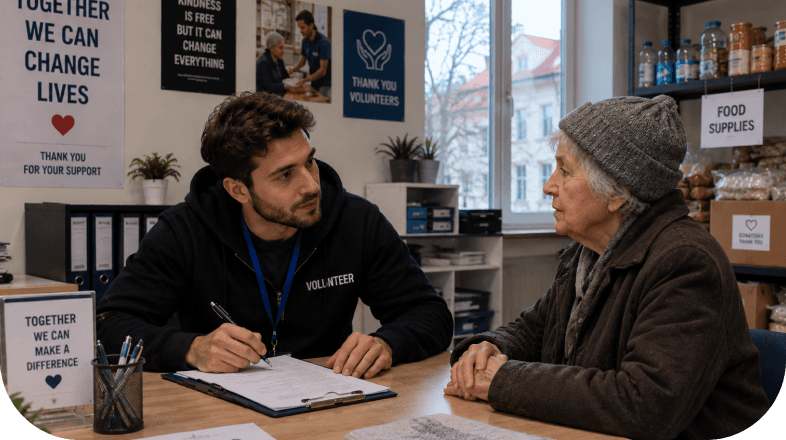

CUBE84 built the FSA as a guided mobile experience that works in the field. Structured enough to ensure consistency, flexible enough to reflect the nuance of outreach work.
Real-time outreach documentation was the foundation. Every client interaction now captures service acceptance or refusal, resource referrals, HMIS identifiers, DPD and DART collaboration notes, and photo attachments. All structured to align with DDI's person-centered model and city reporting requirements.
Encampment lifecycle management brought structure to one of the team's most coordination-heavy activities. Workers document encampment size, estimated lifespan, precise location, current status, and supporting photos. This enables proactive coordination with City departments and partner agencies.
Longitudinal client tracking replaced fragmented records with a continuous client journey. The FSA follows individuals from first engagement through service referrals, Homeward Bound reunifications, housing interventions, and Fellowship program support. Monthly reporting became narrative-rich and evidence-based.
The See Say integration closed the loop between the public and the field. DDI's citizen-facing See Say app allows residents to anonymously report concerns about safety, cleanliness, or homelessness. Through the Elerts integration built by CUBE84, every submitted report now creates a Salesforce case instantly, visible in the FSA, actionable without a phone call, and trackable to closure.
The clean, security, and ambassador teams benefit from the same FSA infrastructure, logging shift activities, incidents, and community engagements with the same real-time sync and dashboard visibility.
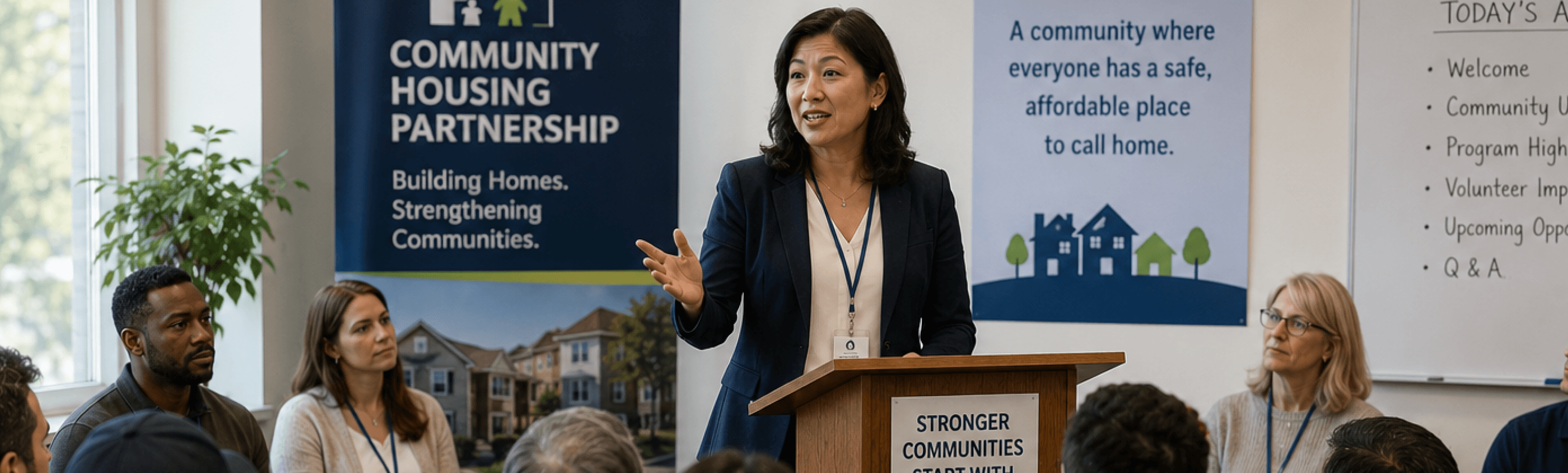
DDI's Homeless Outreach team no longer tells a story built from memory. Every engagement is recorded, every referral is tracked, and every client journey is documented from first contact to meaningful outcome.
Leadership walks into board meetings with dashboards showing service acceptance rates, reunification counts, encampment resolution timelines, and engagement trends by geography. Not because someone compiled them the night before, but because the data flows automatically from the field into Salesforce.
The broader operational impact has been significant. Clean Team workflows, security incident management, ambassador engagement tracking, and public- report response all run through the same connected system. DDI moved from reactive field operations to a data-informed, proactive strategy.
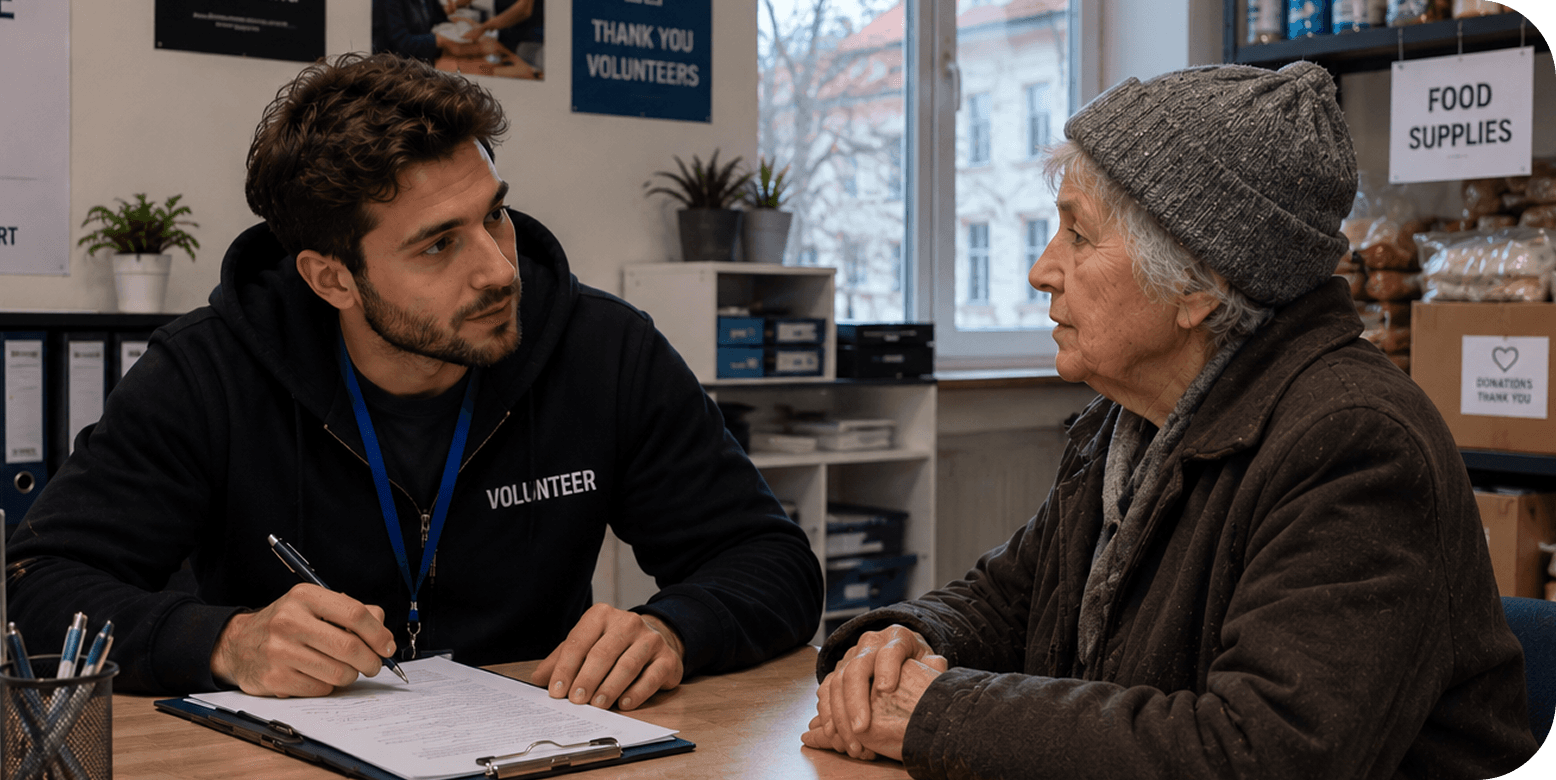


%201%20(1).png&w=640&q=75)