


Housing leaders rarely struggle because of a lack of ideas. Most of the time, the challenge is finding the right funding sources and knowing where to start.
Across the United States, billions of dollars flow into affordable housing every year. These funds support everything from new rental construction to home repairs, housing counseling, and services that help people stay housed.
The key point is that housing funding is not random. Most grants and financing move through structured systems run by federal agencies, states, banks, and philanthropic foundations. Organizations that succeed in securing these resources usually understand where those systems are and how to approach them, especially as the housing sector continues to adopt more specialized tools and platforms designed for the unique needs of housing organizations.
This guide highlights the most important funding avenues that nonprofit housing organizations explore today. Each section includes examples and links so you can learn more or begin researching opportunities for your own projects.
Understanding the Housing Funding Landscape
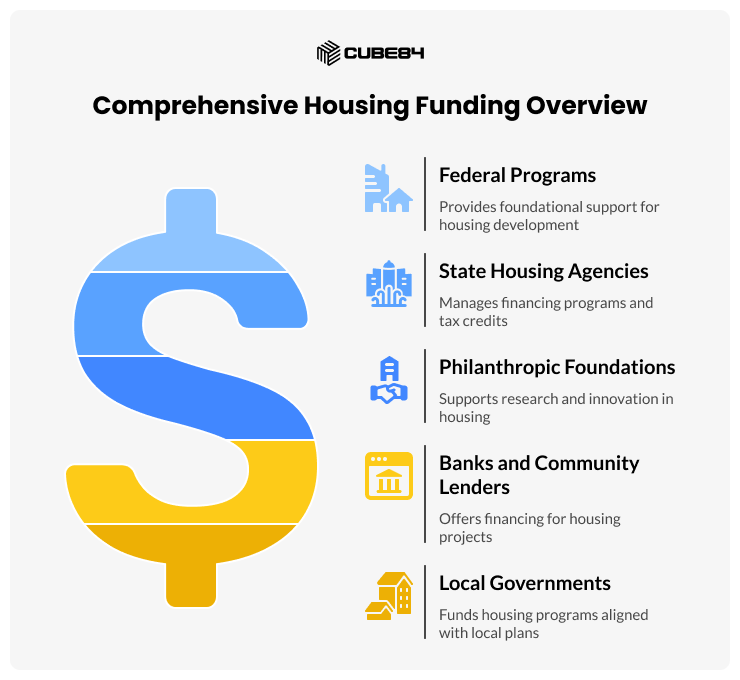
Affordable housing funding does not come from one place. Most successful housing initiatives rely on a combination of public programs, philanthropic support, loans, and community investments.
Federal programs often provide the foundation for housing development. State housing agencies manage financing programs and tax credits. Philanthropic foundations support research and innovation. Banks and community lenders help finance projects. Local governments fund housing programs tied to local housing plans.
Organizations that understand how these pieces fit together are usually better positioned to secure funding and sustain housing programs over time.
With that broader picture in mind, the sections below walk through the most common funding sources nonprofit housing organizations rely on today.
Private Foundations (National and Local)
Philanthropic foundations are an important source of housing funding, particularly when housing programs intersect with broader issues such as health, economic mobility, or racial equity.
Many national foundations support housing initiatives through collaborative efforts. One example is Funders for Housing and Opportunity, a philanthropic network that brings together foundations such as the Annie E. Casey Foundation, the Ford Foundation, the MacArthur Foundation, and the Kresge Foundation to support long-term affordable housing solutions and policy reform, as described through the organization’s work at fundersforhousing.org.
Individual foundations also fund housing initiatives directly. The MacArthur Foundation, for example, invested approximately 187 million dollars between 2000 and 2020 through its housing initiative to support affordable housing preservation and policy innovation.
Another major philanthropic funder is the Harry and Jeanette Weinberg Foundation, which supports nonprofit organizations working to expand access to safe housing alongside programs addressing health, employment, and community wellbeing.
These foundations frequently support:
Multi-year operating support for nonprofit housing organizations
initiatives that connect housing with healthcare or education systems
policy and research programs that address housing stability
While national foundations receive a great deal of attention, many housing organizations also secure funding from community foundations and family foundations that focus on local priorities.
Organizations searching for foundation funding opportunities often rely on databases such as the Foundation Directory operated by Candid, which allows nonprofits to search for housing-related grants across the United States.
Healthy Housing and Community Development Philanthropy
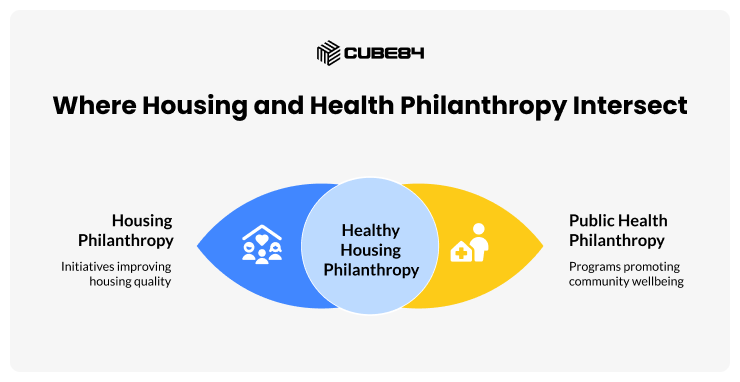
Housing quality can directly affect public health. Issues such as mold exposure, poor ventilation, and unsafe building conditions often contribute to health problems in vulnerable communities.
Because of this connection, some housing programs receive support from public health-focused funders.
Research published by the National Center for Healthy Housing, available through nchh.org, highlights how philanthropic organizations increasingly fund initiatives that improve housing safety and environmental health conditions while also supporting housing stability.
Community foundations frequently support these initiatives because they focus on local housing conditions and community wellbeing.
How Housing Organizations Approach Foundation Funding
Organizations that consistently secure foundation funding usually take a strategic approach.
The first step is identifying foundations whose priorities align with the organization’s mission. Many foundations publish funding strategies that describe the issues they support and the types of projects they fund.
Next, organizations often begin with a short letter of inquiry, which briefly introduces their work before submitting a full proposal.
Many housing nonprofits also request introductory conversations with program officers. These discussions allow organizations to understand how their programs fit within the funder’s broader strategy.
Foundations are especially useful for funding areas such as:
staff capacity and operational support
pilot programs that test new housing approaches
research and policy initiatives
matching funds that help unlock larger public housing investments
Once organizations understand how philanthropic funding works, many begin looking for additional funding sources that support housing programs more directly.
Corporate Philanthropy and Bank Funding
Banks are among the most consistent supporters of nonprofit housing programs. Much of this support is influenced by the Community Reinvestment Act, a federal law that encourages financial institutions to invest in housing and economic development in the communities where they operate.
Banks that frequently fund housing initiatives include:
Bank of America
Wells Fargo
JPMorgan Chase
Citi
PNC
U.S. Bank
local and regional banks
These institutions often support programs such as:
affordable housing development
housing counseling services
first-time homebuyer education
foreclosure prevention initiatives
financial literacy programs tied to housing stability
Many large banks operate national grant programs, but local branches often manage regional community investment initiatives. Building relationships with community development officers at local banks can sometimes open doors to funding that is not widely advertised.
While bank funding can support housing programs and services, larger housing development projects often require additional financing tools.
State Housing Finance Agencies
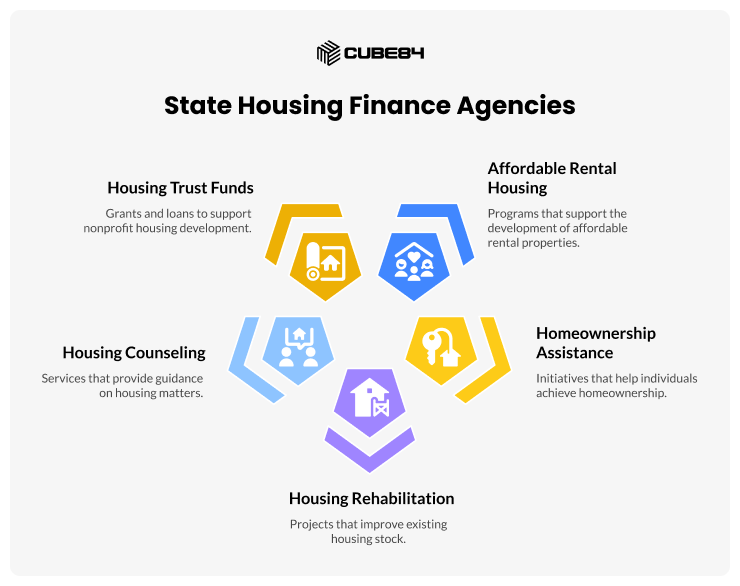
Every state in the United States has a Housing Finance Agency, often called an HFA. These agencies administer many of the most important housing financing tools available to nonprofit developers.
The National Council of State Housing Agencies maintains a directory at ncsha.org that allows organizations to locate their state housing finance agency and explore the programs it administers.
State housing agencies commonly manage:
affordable rental housing development programs
homeownership assistance initiatives
housing rehabilitation programs
housing counseling services
Many states also operate housing trust funds, which provide grants or low-interest loans to nonprofit housing developers.
For example, the Affordable Housing Corporation program, operated by New York State Homes and Community Renewal, provides grants of up to $75,000 per housing unit for projects involving the construction, acquisition, or rehabilitation of owner-occupied homes, as described in the program materials available at hcr.ny.gov.
State housing agencies often fund programs such as:
affordable rental housing development
supportive housing initiatives
housing programs for seniors and veterans
down payment assistance programs
Many of these funds originate from state housing bonds, housing trust funds, and program fees rather than federal housing programs.
How Organizations Access State Housing Programs
Nonprofit housing developers typically follow several steps when applying for state housing funding.
First, they identify the housing finance agency responsible for administering housing programs in their state.
Next, they review the program guidelines carefully. These documents explain eligible uses of funding, income limits for households served, and maximum subsidy levels.
Many programs publish Notices of Funding Availability, which describe upcoming funding rounds and outline how applications will be evaluated.
Because many state programs operate on annual cycles, housing organizations often subscribe to agency newsletters and attend informational webinars so they can prepare projects before applications open.
While state programs support many housing initiatives, local governments also play a major role in housing funding.
Local Government Housing Funding
Cities and counties frequently fund housing initiatives using local resources.
These funding sources often include:
housing trust funds
general city budgets
local bond measures
American Rescue Plan funding allocated for housing programs
Local housing funding is usually administered through departments such as:
Department of Housing
Office of Community Development
Mayor’s housing initiatives
County human services departments
Many cities publish requests for proposals that invite nonprofit organizations to operate housing programs such as rental assistance, housing rehabilitation, supportive housing services, or homelessness prevention programs.
As housing leaders continue looking for new funding avenues, another group of partners has increasingly entered the housing space.
Healthcare and Hospital Systems
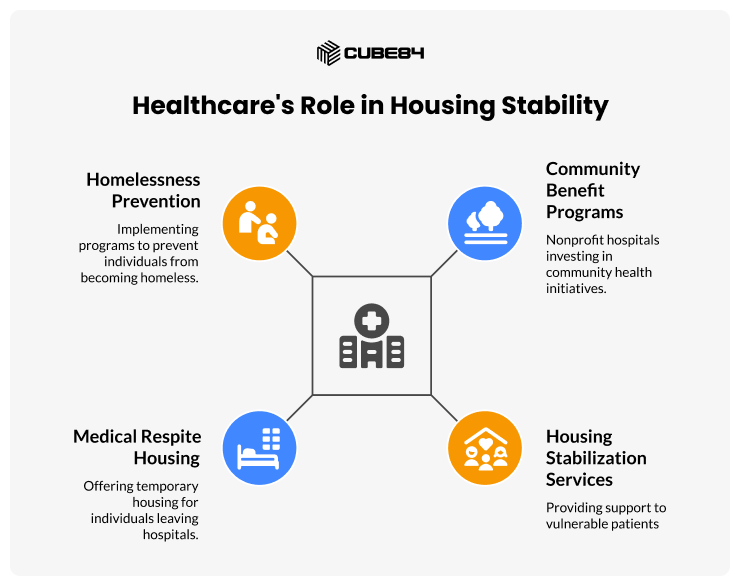
Healthcare organizations have become important partners in housing initiatives because stable housing plays a major role in health outcomes.
Nonprofit hospitals are required to invest in community benefit programs, and some health systems now allocate part of those investments toward housing stability initiatives.
Healthcare-funded housing programs often support:
supportive housing developments
housing stabilization services for vulnerable patients
medical respite housing for individuals leaving hospitals
homelessness prevention programs
Health systems such as Kaiser Permanente have made significant investments in housing stability initiatives through community health programs focused on housing and economic security, as described through the organization’s community health initiatives.
Faith-Based and National Nonprofit Housing Funders
Several national nonprofit organizations and faith-based initiatives also provide funding and technical support for housing initiatives.
Examples include:
Catholic Campaign for Human Development
Enterprise Community Partners
Local Initiatives Support Corporation
NeighborWorks America
United Way
Organizations such as Enterprise Community Partners provide financing, grants, and technical assistance for nonprofit housing developers working on affordable housing projects, while Local Initiatives Support Corporation supports community development projects across the country through grants, loans, and investment programs.
These organizations often support:
affordable housing development
neighborhood revitalization initiatives
nonprofit housing developer training programs
technical assistance for housing organizations
Individual Donors and Earned Revenue
Although large housing projects often rely on institutional funding, many nonprofit housing organizations also rely on individual donors and earned revenue.
Examples include:
major donors interested in housing justice
monthly donor programs that support housing services
fees for housing counseling or financial education programs
social enterprise initiatives such as property management or workforce development
These funding sources often provide flexible revenue that helps organizations support staff, maintain programs, and develop new initiatives.
Community Development Financial Institutions and Housing Intermediaries
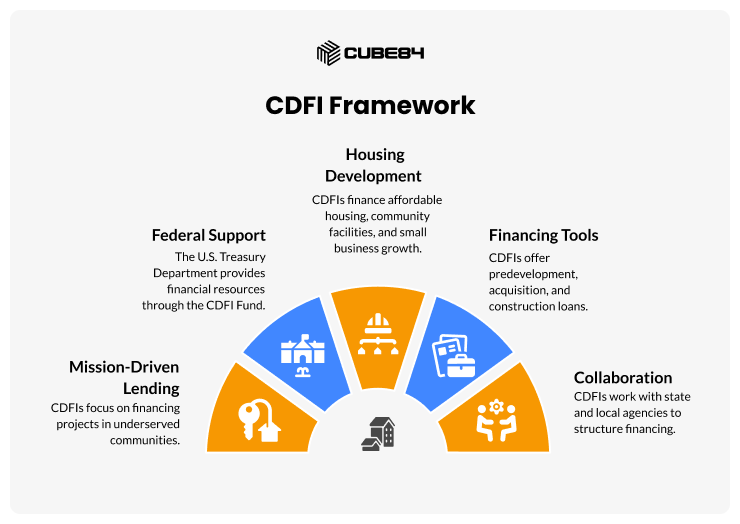
Community Development Financial Institutions, often called CDFIs, are mission-driven lenders that finance projects in underserved communities.
CDFIs combine federal resources with private capital to support affordable housing development, community facilities, and small business growth.
The U.S. Treasury Department supports these institutions through the CDFI Fund, which provides financial resources that strengthen community development lending.
Prominent national CDFIs that support housing development include:
Enterprise Community Loan Fund
Low Income Investment Fund
Nonprofit Finance Fund
The Low Income Investment Fund provides financing for affordable housing and community facilities and has launched a multibillion-dollar investment initiative aimed at strengthening communities through 2030, as described through liifund.org.
CDFIs often provide:
predevelopment loans for early planning work
acquisition financing to secure development sites
construction financing for affordable housing developments
Because CDFIs frequently work with state housing agencies and local governments, they can also help nonprofit developers structure financing for complex housing projects.
Capital Magnet Fund
One federal program that supports housing financing through CDFIs is the Capital Magnet Fund, administered by the U.S. Treasury Department through the CDFI Fund.
The Capital Magnet Fund provides competitive grants to certified CDFIs and nonprofit housing organizations whose primary mission is developing or managing affordable housing.
Organizations receiving Capital Magnet Fund awards may use those funds to:
finance affordable rental housing developments
support homeownership initiatives
create loan funds or loan guarantees that expand housing financing
Some nonprofit housing organizations apply directly for these grants, while others partner with CDFIs that receive Capital Magnet Fund resources and invest them in local housing projects.
USDA Rural Housing Programs
Affordable housing development in rural areas is often supported by programs administered through the Rural Housing Service within the U.S. Department of Agriculture’s Rural Development division.
These programs focus on communities where private housing development may be limited.
Key programs include:
Section 515 Rural Rental Housing Loans, which provide long-term financing for affordable rental housing in rural areas
Section 514 and 516 Farm Labor Housing Loans and Grants, which support housing development for agricultural workers
Section 521 Rental Assistance, which provides operating subsidies for very low-income renters in USDA-financed housing
Housing organizations interested in these programs typically work with their state USDA Rural Development office and prepare applications that include development budgets, site control documentation, and evidence of local housing need.
Federal Home Loan Bank Affordable Housing Program
Another important funding source for housing development is the Affordable Housing Program operated by the Federal Home Loan Bank system.
Federal law requires each Federal Home Loan Bank to contribute at least 10% of its annual earnings to this program. These funds are then distributed through competitive funding rounds to support affordable housing development and rehabilitation.
AHP grants are often used to finance:
affordable rental housing development
homeownership housing construction
housing rehabilitation projects
Typical projects may receive funding of up to around two million dollars or approximately seventy-five percent of the total project cost, depending on the rules of the regional Federal Home Loan Bank.
Applications are evaluated based on criteria such as:
The level of affordability provided by the project
readiness of the development
evidence of housing need in the community
expected community impact
Nonprofit housing organizations typically apply through a participating bank or credit union that is a member of the Federal Home Loan Bank system. In these applications, the nonprofit developer acts as the project sponsor while the bank submits the application as the member institution.
Projects with strong development plans, architectural drawings, financing commitments, and clear affordability targets often score higher in the evaluation process.
Grant and Funding Search Platforms
Housing organizations often use specialized tools to identify grant opportunities and track funding programs.
Examples include:
These platforms allow organizations to search for funding opportunities based on geography, population served, and program focus.
Organizations often create saved searches for terms such as affordable housing development, supportive housing programs, or homelessness prevention initiatives.
How to Get Funding From These Sources
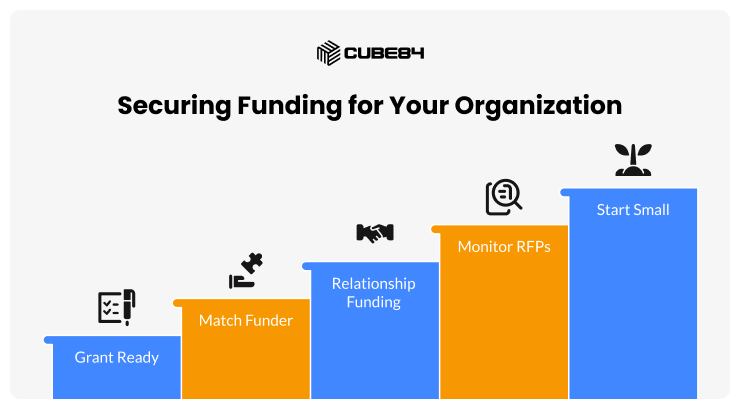
Step 1: Get Your Organization Grant Ready
Before applying for housing funding, organizations usually ensure that several foundational elements are in place.
These include:
nonprofit status such as 501(c)(3) designation
a clear mission tied to housing programs
defined programs with budgets
local housing data demonstrating community need
an active board of directors
Step 2: Match the Funder to the Program
Different funders support different types of housing initiatives.
For example:
Funder | Best Fit |
Foundations | Innovation programs and research initiatives |
Banks | Housing counseling and homeownership education |
Cities | Services tied to local housing plans |
Hospitals | Housing programs linked to health outcomes |
Tailoring proposals to each funder's priorities significantly increases the chances of success.
Step 3: Start with Relationship-Based Funding
Many successful housing grants begin with conversations rather than formal proposals.
Organizations often begin by:
contacting program officers
attending funder information sessions
requesting introductory meetings
These discussions help organizations understand how their work aligns with the funder’s priorities.
Step 4: Monitor RFPs and Funding Announcements
Housing organizations typically monitor several sources for funding announcements, including:
city and county procurement websites
state housing agency email lists
foundation newsletters
United Way funding announcements
Consistently tracking these opportunities allows organizations to prepare applications before deadlines.
Step 5: Start Small and Build a Track Record
Many housing organizations begin with smaller grants before pursuing larger housing development funding.
Examples include:
Grant Type | Typical Amount |
Foundation Grants | Ten thousand to twenty-five thousand dollars |
Bank Community Grants | Five thousand to fifteen thousand dollars |
Local Pilot Funding | Varies by city |
Over time, organizations build a track record that helps them secure larger housing funding programs.
What This Means for Housing Leaders
Affordable housing funding can feel complicated at first, but most funding opportunities come from a relatively small set of structured systems.
Federal programs provide large-scale housing financing. State housing agencies manage tax credits and housing funds. Foundations support innovation and policy work. Banks fund housing services. Community development lenders provide project financing.
Organizations that understand how these systems connect are often able to build stronger funding strategies.
Rather than relying on a single grant or program, many successful housing organizations combine multiple funding sources to support development, services, and long-term housing stability.
Over time, building relationships with funders, preparing projects early, and staying connected to funding announcements can open new opportunities.
For housing leaders searching for new avenues, understanding where funding flows and how programs work is often the first step toward turning good ideas into housing that communities can rely on.