

MIURA – Salesforce Integration Engagement
40% reduction in manual call
logging effort
30% improvement in support
response times
MIURA, a global leader in industrial boiler manufacturing, faced inefficiencies in its support operations due to disconnected telephony and CRM systems. CUBE84 integrated RingCentral with Salesforce Service Cloud to automate call tracking, unify communication workflows, and improve data reliability. The result was a more efficient support model with stronger visibility and higher system adoption.
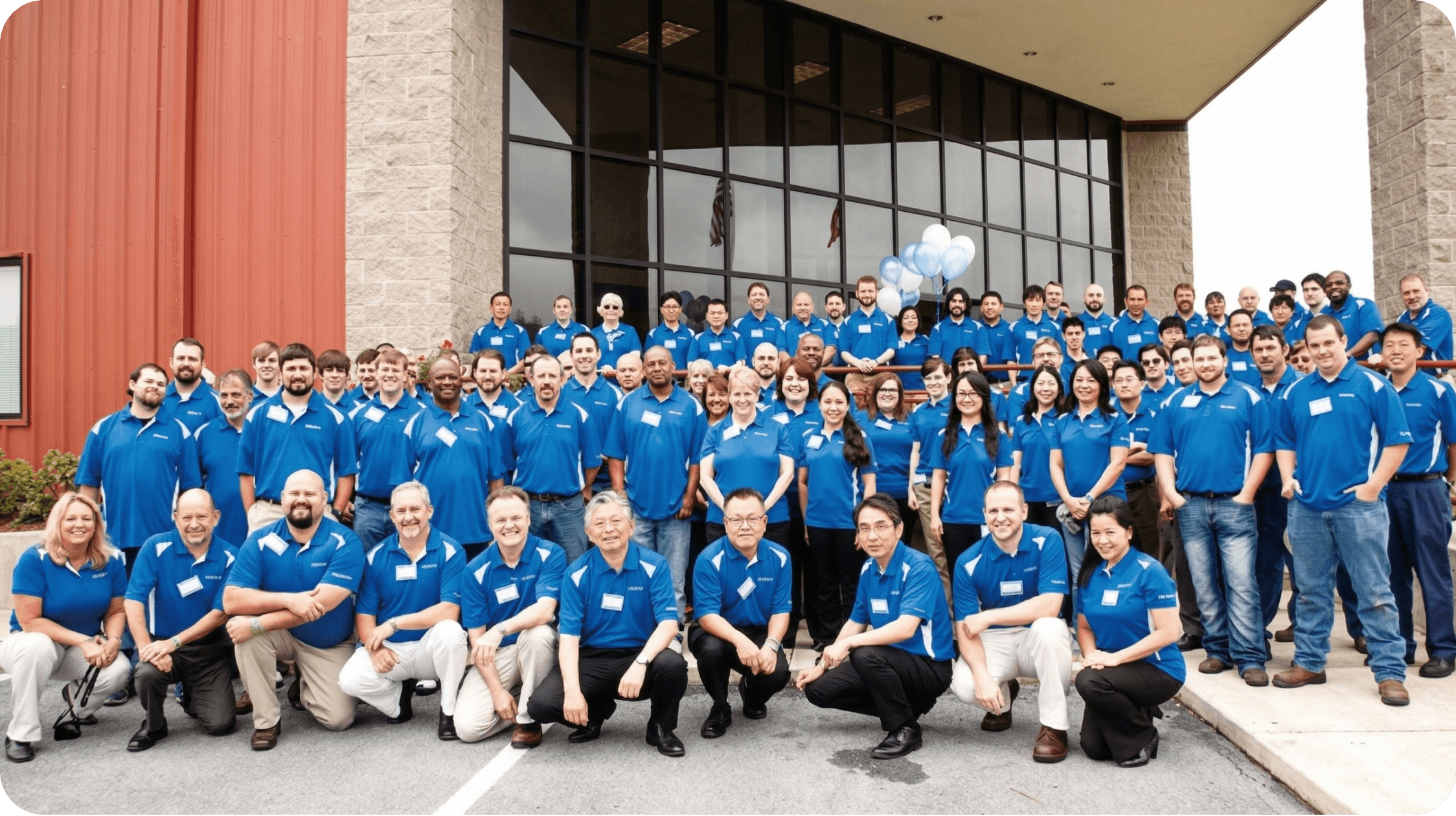
MIURA is a globally recognized manufacturer of industrial boilers, known for energy-efficient systems and environmentally responsible designs. Their LOW NOx boilers meet strict emission standards, supporting sustainable industrial operations.
CUBE84 implemented a Salesforce Service Cloud solution integrated with RingCentral CTI. The engagement focused on automating call logging, enabling real-time activity tracking, and standardizing telephony workflows. Custom Lightning components and reporting dashboards were introduced to support operational visibility and performance monitoring. The rollout followed a focused implementation approach with rapid deployment and iterative refinements.
There was a lack of consistency in how processes were followed and very little visibility into what was actually happening day to day. Support teams had come to accept manual logging as the only way to ensure accuracy. Meanwhile, leadership expected telephony adoption to improve on its own, without aligning the system to real workflows. Over time, these assumptions created many gaps, leading to inefficiencies that grew while the business expanded.


CUBE84 began by aligning RingCentral’s capabilities with MIURA’s support workflows. Incoming and outgoing call flows were configured to match real operational needs, including voicemail handling and intelligent routing.
The integration with Salesforce Service Cloud enabled automatic call logging and real-time contact creation. Custom Lightning pages were designed to simplify activity tracking, ensuring that every interaction was captured without manual effort.
Automation played a key role. Call activities, voicemails, and follow-up tasks were logged directly into Salesforce. Reporting dashboards were introduced to give managers clear visibility into call volumes, agent activity, and performance trends.
The implementation focused on usability. The system was designed to fit into existing workflows, which encouraged adoption across teams.
Support teams moved from reactive, manual processes to a structured and efficient workflow. Call handling became faster and more consistent, with customer information available in real time. Managers gained a clear view of operations through centralized dashboards. This improved decision-making and allowed teams to address performance gaps quickly.
Data accuracy improved significantly as automation replaced manual entry. Teams spent less time on administrative work and more time resolving customer issues.
System adoption increased as the experience became intuitive and aligned with daily tasks. Communication across teams became more consistent and reliable.


%201%20(1).png&w=640&q=75)